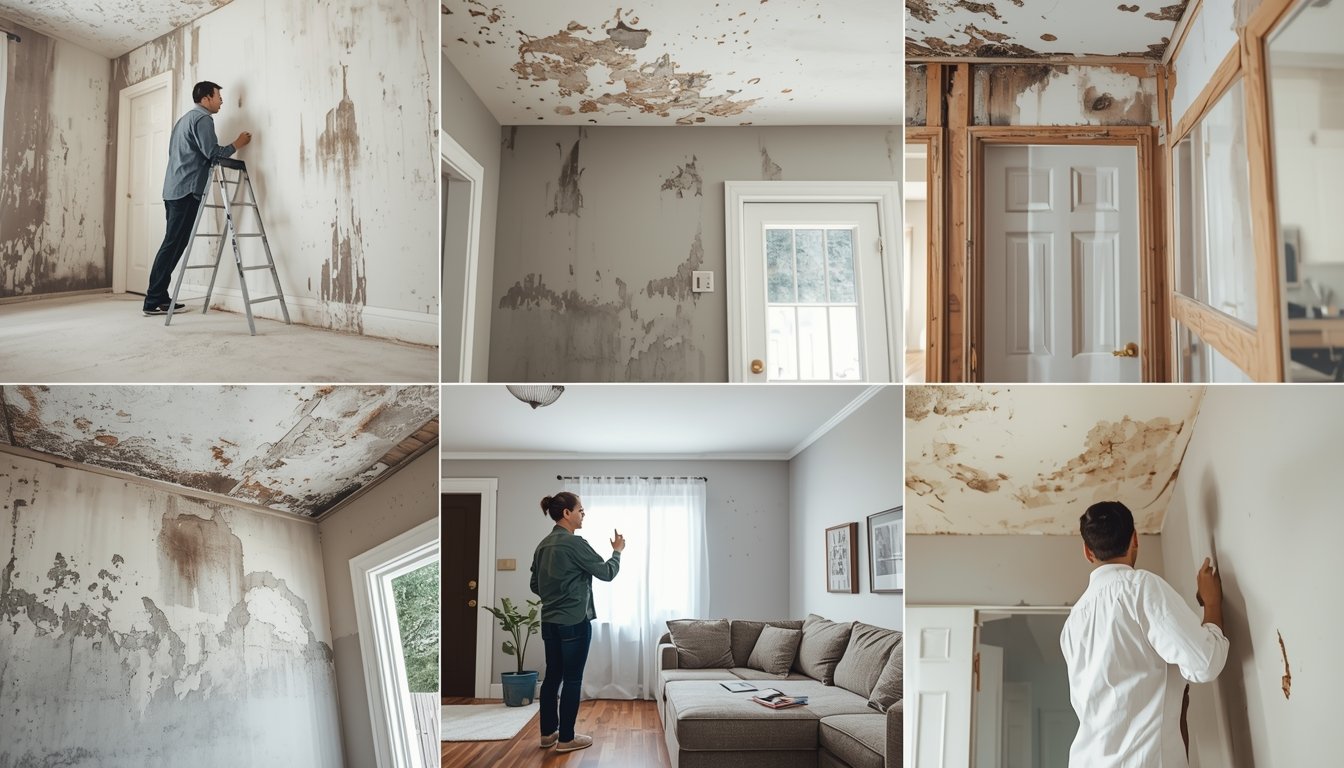
Mold grows on walls when moisture is present for long enough, allowing spores in the air to settle and spread. This usually happens due to humidity, condensation, leaks, or poor ventilation. If you’re seeing mold on your walls, it’s a sign that moisture is building up somewhere and needs to be addressed.
Common Causes of Mold on Walls
The most common reason mold appears on walls is excess moisture that doesn’t dry out properly. Even small amounts of moisture, if repeated over time, can create the right conditions for mold to grow.
One major cause is condensation. This often happens when warm indoor air meets a cold wall surface, especially in bedrooms, bathrooms, or areas with poor insulation. Over time, that repeated moisture allows mold to form in patches or spots.
Other common causes include:
- High indoor humidity – especially in homes without proper ventilation
- Water leaks – from plumbing, roofs, or external walls
- Poor airflow – behind furniture or in closed-off rooms
- Drying clothes indoors – which increases moisture in the air
You may also notice that mold tends to appear in corners, along ceilings, or behind large furniture. These areas trap moisture and limit airflow, making them ideal for mold growth.
If you’re unsure whether the issue is coming from general humidity or a more specific problem, understanding how humidity leads to mold problems indoors can help you pinpoint the cause more accurately.
How to Identify the Source of Moisture
Removing mold from the wall is only a temporary fix if the underlying moisture problem isn’t solved. The key is to identify where the moisture is coming from so you can stop it from returning.
Start by looking at the location of the mold. This often gives a strong clue about the cause. For example, mold near windows may be linked to condensation, while mold in one specific patch could point to a hidden leak.
Check for visible signs of moisture:
- Water stains or discoloration on walls or ceilings
- Peeling paint or bubbling plaster
- Damp or cold wall surfaces
- A musty smell in the room
It’s also important to consider the room itself. Bathrooms and kitchens naturally produce more moisture, while bedrooms can trap humidity overnight if windows are closed.
If the wall feels damp or the mold keeps returning after cleaning, there may be moisture inside the wall structure. In these cases, the source could be a slow leak or poor insulation allowing condensation to build up internally.
Taking the time to identify the cause properly will save you from repeatedly dealing with the same problem.
What to Do to Stop Mold Coming Back
Once you’ve identified the cause, the focus should be on reducing moisture and improving airflow. Cleaning the mold is important, but it’s only part of the solution.
Start by improving ventilation. Open windows regularly, use exhaust fans in bathrooms and kitchens, and avoid trapping humid air inside the home. Even small changes in airflow can make a noticeable difference.
Next, reduce moisture where possible:
- Use a dehumidifier in damp rooms
- Avoid drying clothes indoors without ventilation
- Wipe down condensation from windows and walls
- Fix any leaks as soon as they appear
Repositioning furniture can also help. Leaving a small gap between walls and large items like wardrobes or couches allows air to circulate and prevents moisture buildup behind them.
If you’re unsure whether the issue has been fully resolved, or if mold keeps returning, using a mold test kit can help confirm whether mold is still present in the area. This is especially useful if the source may be hidden.
Mold on walls is always a sign of excess moisture. Once you control the moisture, you stop the conditions that allow mold to grow in the first place.