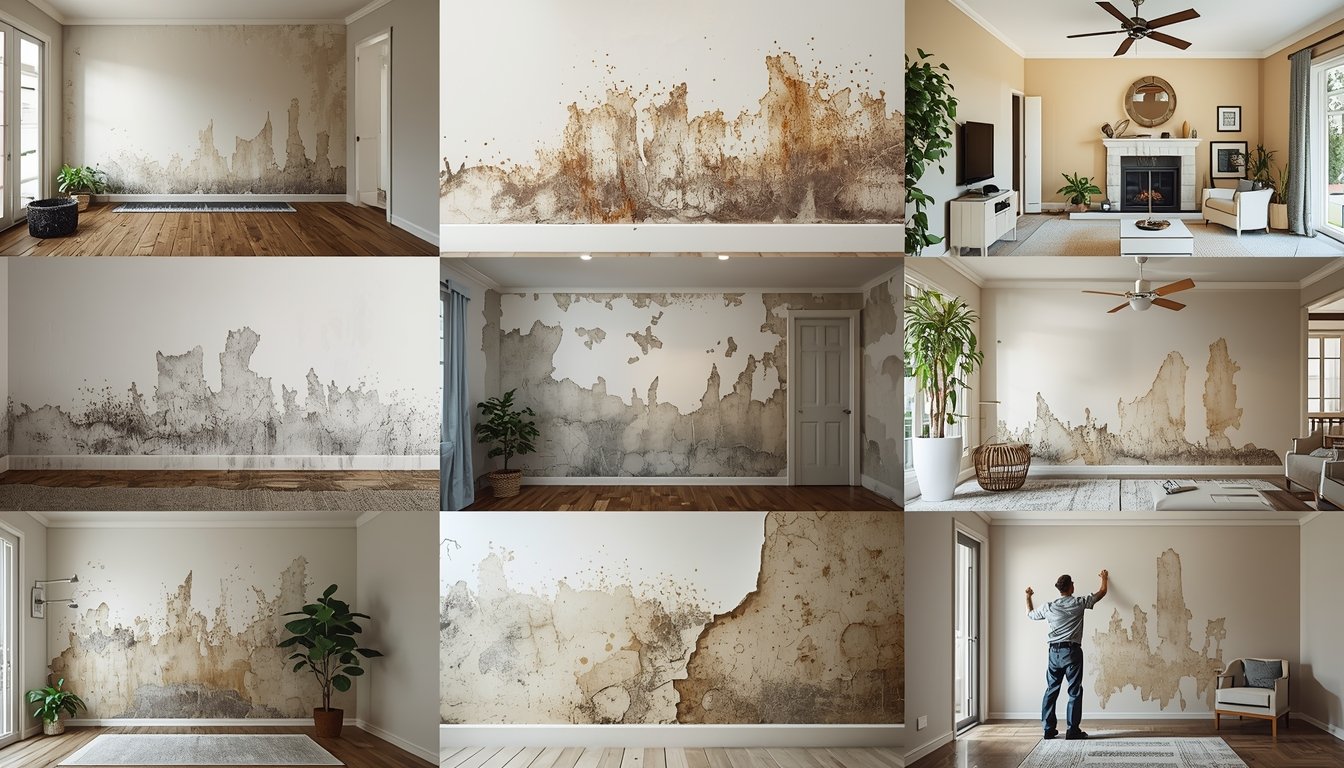
Mold test kits are simple tools that help you detect whether mold spores are present in your home by collecting samples from the air or surfaces. They don’t remove mold, but they can confirm whether it’s there, help identify problem areas, and guide your next steps. Used correctly, they are a practical way for homeowners to investigate potential mold issues without needing immediate professional inspection.
What a Mold Test Kit Is and What It Actually Does
A mold test kit is designed to collect samples from your home environment and show whether mold spores are present. Most kits are built for simple home use and don’t require technical experience. They are typically used when you suspect mold but can’t clearly confirm it.
The most common type includes a petri dish or collection device that captures airborne spores. Once exposed to the air for a short period, the sample is sealed and left to develop. If mold is present, visible growth will appear over a few days.
Some kits also include surface testing tools, such as swabs or strips. These allow you to collect samples directly from areas that look suspicious but aren’t clearly identifiable as mold.
What’s important to understand is that mold spores exist in most environments. A test kit doesn’t prove that a home is “mold-free” or “contaminated” in absolute terms. Instead, it helps you identify whether mold is present in a specific area and whether further action is needed.
For homeowners, this makes test kits useful as a confirmation tool, especially when there are signs like musty smells, recurring dampness, or unexplained indoor symptoms.
How Mold Test Kits Work in Practice
Most mold test kits follow a simple process that involves exposing a collection device to your environment, then allowing any captured spores to grow so they become visible. While the method is straightforward, how you use the kit can affect the usefulness of the results.
- Expose the test to the air in a specific room for a set time
- Seal the sample to prevent outside contamination
- Wait several days for any mold growth to appear
- Compare results between different areas if needed
Air testing is the most common approach because mold spores travel through the air. By capturing them, the test gives an indication of whether mold is present in that space.
Surface testing works slightly differently. A swab or strip is used to collect material from a visible spot, which is then placed into a growth medium. This helps confirm whether a mark is actually mold or something else.
Some kits offer optional lab analysis, where you send the sample away for identification. While this can provide more detail, most homeowners use the basic results to decide whether further investigation is necessary.
If you want a deeper breakdown of the process, you can also refer to how mold test kits work for a more focused explanation of each method.
When It Makes Sense to Use a Mold Test Kit
Mold test kits are most useful when there is uncertainty. If you can clearly see mold and know what caused it, testing often isn’t necessary. However, in many homes, mold problems are not obvious.
Testing is particularly helpful when symptoms or conditions suggest mold, but there’s no clear visual confirmation. For example, a persistent musty smell or recurring dampness may point to hidden mold behind walls or under flooring.
- You notice a musty smell but cannot find visible mold
- Mold keeps returning after cleaning
- There has been past water damage or leaks
- People in the home experience unexplained indoor symptoms
It can also be useful when comparing different areas of the home. If one room shows significantly more growth than another, it can help narrow down where the issue is located.
Another practical use is after addressing a known problem. Testing can help confirm whether conditions have improved and whether mold is still present.
The key is using the kit to answer a specific question. Without a clear reason, the results can be harder to interpret.
What Mold Test Kits Can and Cannot Tell You
While mold test kits can be helpful, they have limitations. Understanding these helps you avoid misinterpreting the results.
A test kit can confirm whether mold spores are present in the sampled area. This is useful when there are no visible signs but you suspect a problem. It can also show whether one area has more activity than another.
However, test kits do not tell you exactly where the mold is located. A positive result may indicate mold in the room, but it doesn’t reveal whether it’s on a surface, inside a wall, or within the ventilation system.
They also don’t measure how severe the problem is. Mold spores exist in most environments, so a positive result doesn’t always mean there is a serious issue.
Because of this, results should always be considered alongside what you can observe—such as moisture, odors, or visible growth. The test provides supporting information, not a full diagnosis.
How to Use Results to Take the Right Next Step
Once you have results from a mold test kit, the most important step is deciding what to do with that information. The goal is not just to confirm mold, but to use that confirmation to guide action.
If the test shows little or no growth, it suggests mold may not be a major factor in that area. However, if symptoms or smells persist, you may need to test other locations or look more closely at hidden areas.
If the test shows clear mold growth, the next step is to find the moisture source. Mold cannot grow without moisture, so identifying leaks, condensation, or humidity issues is essential.
In practical terms, this usually means:
Improving ventilation
Reducing humidity
Fixing leaks or water damage
Monitoring affected areas over time
If you’re unsure whether the results justify further action, it can help to review when you should test for mold in a house to better understand how testing fits into the bigger picture.
Mold test kits are most effective when used as part of a broader approach. They provide useful information, but lasting results come from controlling moisture and improving airflow throughout the home.