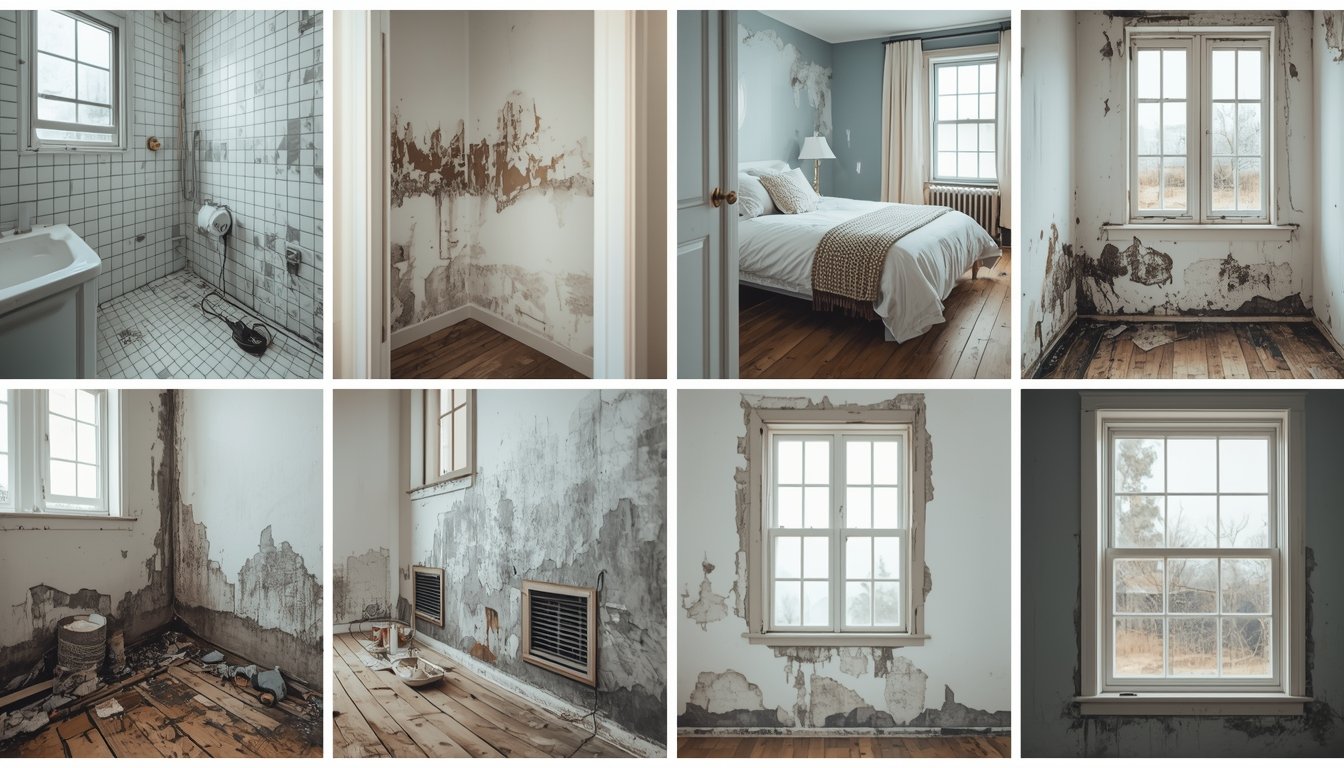
Mold in a bedroom can be a health concern, especially if it’s persistent or widespread. It may affect air quality and trigger symptoms like coughing, congestion, or irritation, particularly during sleep when exposure is prolonged. Even small amounts of mold can become a problem if the underlying moisture issue isn’t addressed.
How Mold in a Bedroom Can Affect Your Health
Bedrooms are where you spend long, uninterrupted periods of time, which makes mold exposure more significant than in other parts of the home. Even low levels of mold can impact air quality, and over time this may lead to noticeable symptoms.
Common reactions to mold exposure include:
- Blocked or runny nose
- Sneezing or coughing
- Itchy eyes or throat
- Worsening asthma or breathing discomfort
These symptoms are often more noticeable in the morning or after spending several hours in the room. If they improve when you leave the bedroom, it may point to an air quality issue inside that space.
Mold doesn’t need to be visible to affect you. It can release spores into the air, which are then inhaled. This is why even hidden mold behind walls or furniture can cause symptoms without obvious signs on surfaces.
It’s also worth noting that not everyone reacts the same way. Some people may have no noticeable symptoms, while others are more sensitive. If you’re unsure whether mold is present, understanding can mold grow without visible signs can help explain why symptoms may appear without obvious evidence.
Why Mold Develops in Bedrooms
Bedrooms can create the perfect conditions for mold, even though they don’t seem like high-moisture areas at first. The main issue is that moisture builds up slowly and often goes unnoticed.
One common cause is condensation. As you sleep, your body releases heat and moisture into the air. If the room is closed and poorly ventilated, that moisture settles on cooler surfaces like walls, windows, and ceilings.
Other contributing factors include:
- Poor airflow – especially with closed doors and windows
- Furniture against walls – trapping air and moisture behind it
- Cold external walls – encouraging condensation to form
- High indoor humidity – particularly in colder months
You may notice mold appearing behind wardrobes, along skirting boards, or near windows. These areas tend to have limited airflow and are more prone to damp conditions.
Even everyday habits can contribute. Drying clothes indoors or not ventilating the room regularly can increase humidity levels enough to support mold growth over time.
What to Do If You Find Mold in Your Bedroom
If you find mold in your bedroom, the priority is to reduce moisture and improve air circulation. Cleaning the visible mold is important, but it won’t stop the problem from returning unless the conditions change.
Start by increasing ventilation. Open windows regularly, even for short periods, to allow fresh air to circulate. If possible, keep internal doors slightly open to prevent moisture from becoming trapped overnight.
Next, focus on reducing moisture buildup:
- Move furniture slightly away from walls to improve airflow
- Use a dehumidifier if the room feels damp
- Avoid drying clothes in the bedroom
- Wipe down condensation on windows and nearby surfaces
If mold is limited to a small area, it can usually be cleaned safely. However, if it keeps returning or spreads to multiple areas, it may indicate a deeper moisture issue or hidden mold behind walls.
In these cases, using a mold test kit can help confirm whether mold spores are still present in the air. This can be useful if symptoms persist or the source isn’t clear.
Mold in a bedroom isn’t something to ignore. Even if it looks minor, it affects the air you breathe while you sleep. Addressing the moisture problem early is the best way to protect both your home and your health.