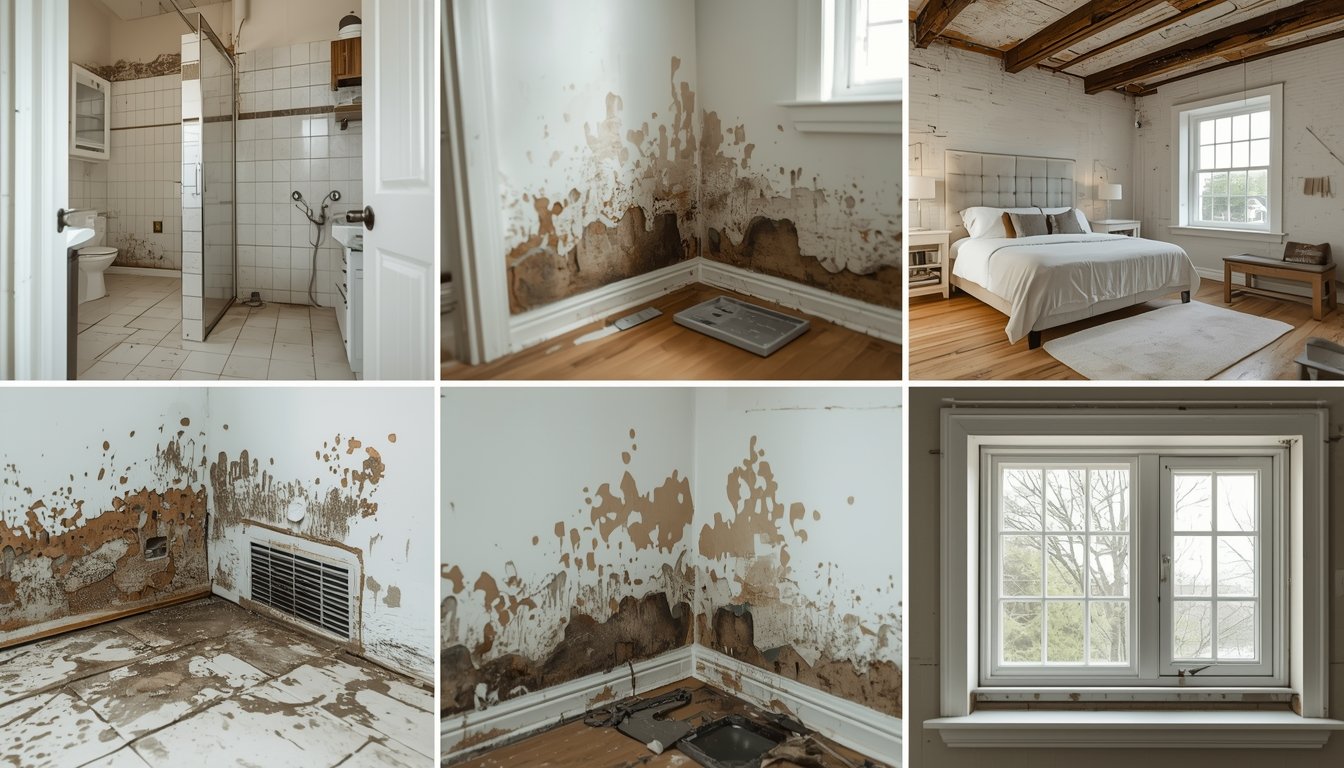
Mold in a basement is usually caused by persistent moisture from the ground, poor ventilation, or hidden water leaks. Because basements sit below ground level, they naturally collect damp air and are slower to dry out, making them one of the most common places for mold to develop. If you notice mold in your basement, it’s a clear sign that moisture is building up and needs to be controlled.
Common Causes of Mold in Basements
Basements are more prone to mold than other parts of the home because they are surrounded by soil, which holds moisture. That moisture can slowly seep through walls and floors, especially if waterproofing is limited or drainage isn’t effective.
One of the most common causes is groundwater seepage. After heavy rain or over time, moisture can pass through concrete or small cracks in foundation walls. Even if you don’t see standing water, this slow seepage can create consistently damp conditions.
Other common causes include:
- High humidity levels – basements often trap moisture due to limited airflow
- Poor ventilation – no windows or airflow means damp air stays inside
- Plumbing leaks – from pipes running through the basement ceiling or walls
- Condensation on cold surfaces – especially on concrete walls and floors
Basements also tend to be cooler than the rest of the home. When warm air from upstairs enters and meets these cooler surfaces, condensation can form and add to the moisture problem.
If you’re unsure whether humidity is contributing to the issue, understanding how humidity leads to mold problems indoors can help you identify whether this is a key factor in your basement.
Warning Signs of Mold in a Basement
Mold in basements doesn’t always start as visible patches. Often, there are early warning signs that appear before you can clearly see growth. Recognizing these signs early can help you act before the problem spreads.
One of the first indicators is smell. A persistent musty or damp odor in the basement is often a strong sign that mold is present, even if it’s hidden behind walls or under flooring.
You may also notice changes in the space:
- Damp or humid air that feels heavier than the rest of the house
- Condensation on walls, pipes, or windows
- Peeling paint or flaking surfaces on walls
- Dark spots or discoloration starting to form in corners
In some cases, stored items like cardboard boxes, fabrics, or wood may develop a damp smell or visible mold before walls do. This can be an early clue that moisture levels are too high.
Another warning sign is recurring mold in the same areas after cleaning. This usually indicates that the moisture source is still active and hasn’t been addressed.
Even if visible mold is limited, these signs suggest that conditions in the basement are supporting growth.
What to Do If You Notice Mold in Your Basement
If you find mold in your basement, the most important step is to reduce moisture and improve airflow. Cleaning the mold without addressing the cause will only lead to it returning.
Start by improving ventilation. If possible, open windows regularly or use fans to circulate air. In many basements, a dehumidifier is one of the most effective tools for controlling moisture.
Next, focus on moisture control:
- Fix any visible leaks in pipes or walls
- Seal cracks in foundation walls if moisture is seeping through
- Keep items off the floor to allow airflow underneath
- Avoid storing damp materials or cardboard directly on concrete
It’s also important to monitor humidity levels. Basements should ideally stay below 50–60% humidity to reduce the risk of mold growth.
If mold continues to return or you suspect it may be hidden behind walls, using a mold test kit can help confirm whether mold spores are still present in the air. This can guide whether further investigation is needed.
Basement mold is usually a moisture problem that develops slowly over time. Once you control the moisture and improve airflow, you remove the conditions that allow it to grow.