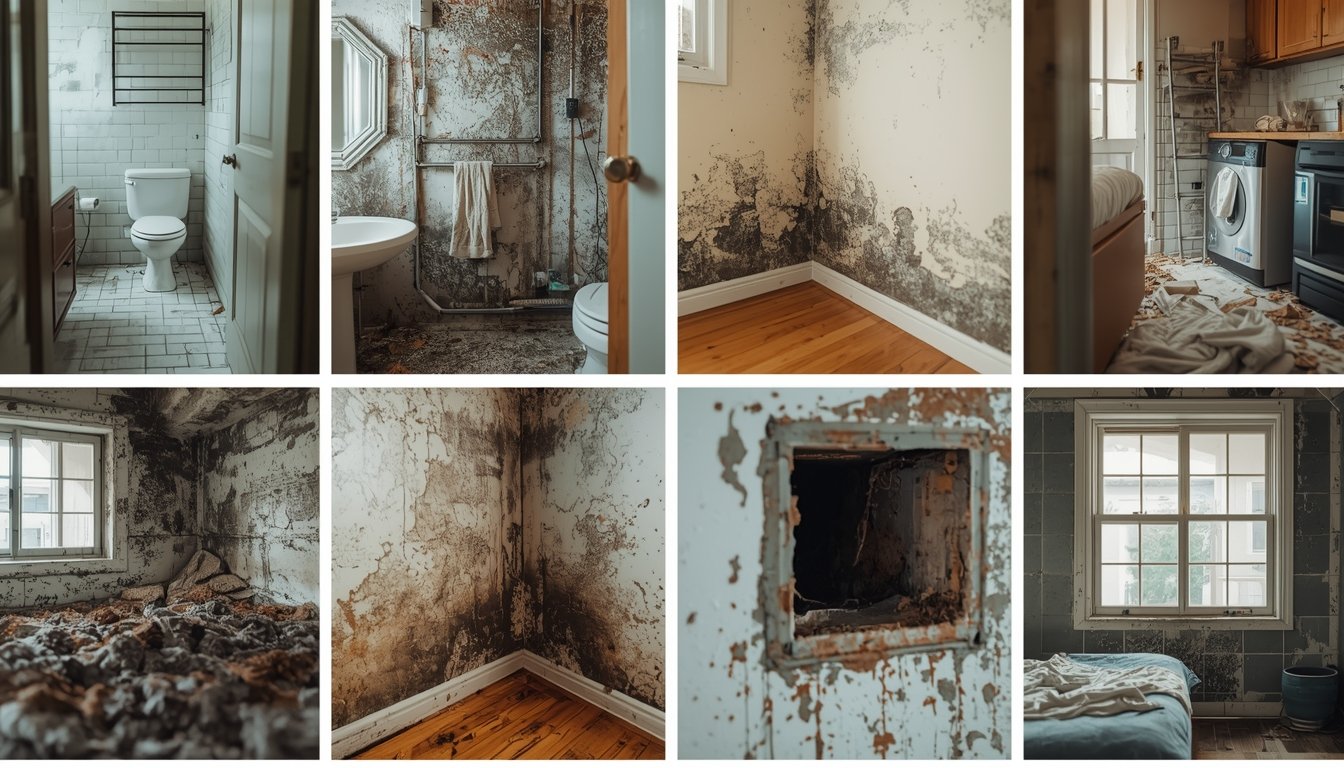
Mold in air vents can be a concern because it may affect the air circulating throughout your home. If mold is present inside vents or ductwork, spores can be distributed into multiple rooms, potentially impacting air quality and causing ongoing exposure. It’s not always a major issue, but it should be checked and addressed rather than ignored.
Why Mold Forms in Air Vents
Air vents and duct systems can create ideal conditions for mold when moisture and dust are present together. While vents are designed to move air, they can also trap small amounts of humidity, especially in certain situations.
One common cause is condensation. When cool air passes through ducts in a warm environment, moisture can form inside the system. Over time, this creates a damp surface where mold can develop, particularly if dust is also present as a food source.
Other contributing factors include:
- High indoor humidity – moisture entering the duct system from the home
- Poor insulation around ducts – allowing temperature differences and condensation
- Dust buildup – providing material for mold to grow on
- Air conditioning systems – which naturally create moisture during operation
In some cases, mold may only be present on vent covers or near the opening, which can be easier to manage. However, if it’s deeper inside the ductwork, it may not be visible but can still affect the air being circulated.
If your home has ongoing humidity issues, understanding how humidity leads to mold problems indoors can help explain why mold is forming in vents in the first place.
Signs Mold May Be Affecting Your Air System
Mold in air vents isn’t always easy to see, but there are several signs that can indicate a problem. Recognizing these early can help you take action before it spreads further.
One of the most common signs is a musty smell that becomes noticeable when the heating or cooling system is running. This happens because air is passing over mold and carrying the odor into the room.
Other warning signs include:
- Visible dark spots or buildup on vent covers
- Dust that appears damp or clumped rather than dry
- Increased allergy-like symptoms when indoors
- Uneven or persistent odors in different rooms
You may also notice that certain rooms smell worse than others when the system is on. This can indicate that mold is present in a specific section of ductwork.
Even if you can’t see mold inside the vents, it may still be present deeper in the system. If symptoms or odors persist, it’s important to consider the possibility of hidden growth rather than assuming the issue is only surface-level.
What to Do If You Find Mold in Air Vents
If you suspect mold in your air vents, the first step is to determine how widespread the issue is. Small amounts of mold on vent covers can often be cleaned, but deeper contamination may require more thorough action.
Start by removing and inspecting vent covers. If mold is visible, clean the surface carefully and check whether it returns. If it does, this suggests the source may be inside the duct system.
Next, focus on reducing moisture:
- Keep indoor humidity levels under control
- Ensure ducts are properly insulated to prevent condensation
- Use exhaust fans in high-moisture areas like bathrooms and kitchens
- Replace air filters regularly to reduce dust buildup
If mold is suspected inside the ductwork, professional inspection or cleaning may be needed, especially if the problem is widespread.
If you’re unsure whether mold is present or affecting air quality, using a mold test kit can help detect spores in the air. This can confirm whether the issue is limited to the vents or more widespread throughout the home.
Mold in air vents isn’t something to ignore. While it may start small, it can affect multiple rooms if left untreated. Addressing moisture and airflow issues is key to preventing it from returning.