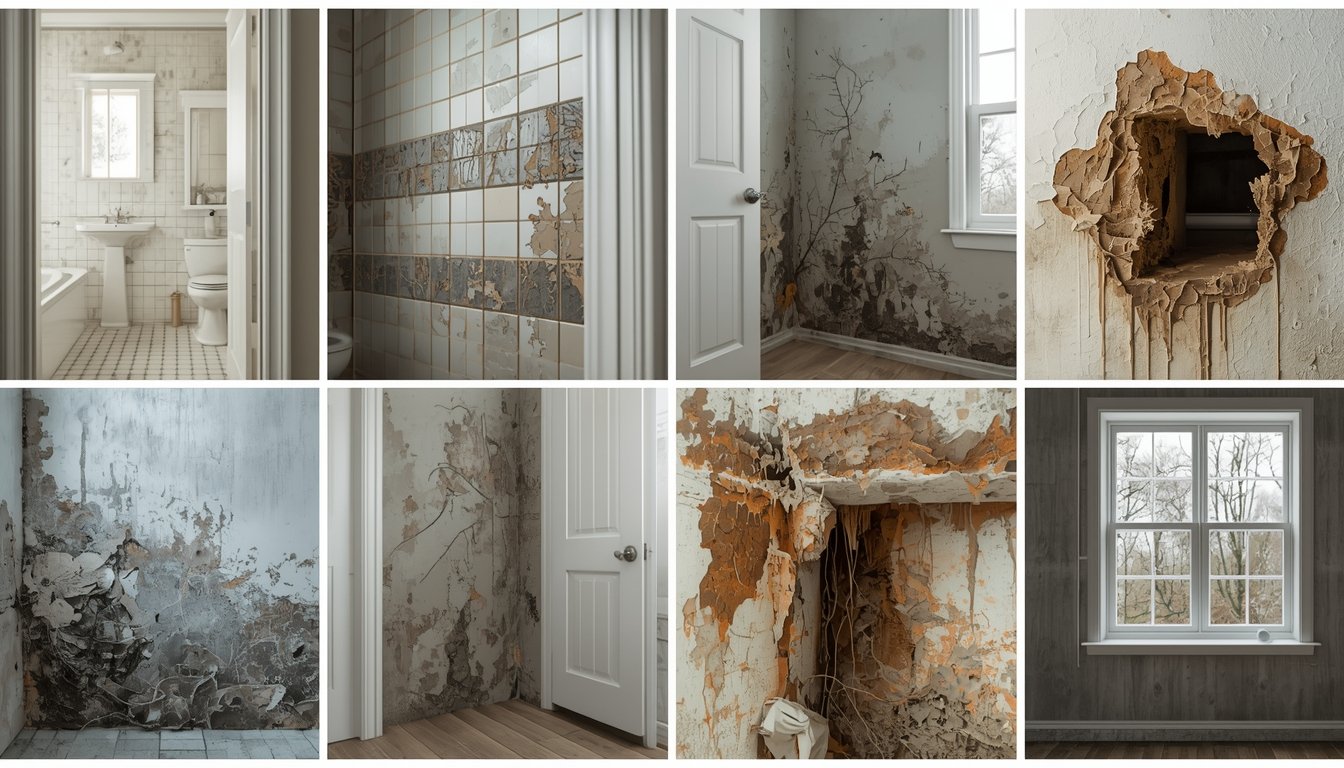
Mold around windows is usually caused by condensation and trapped moisture, especially when warm indoor air meets cold glass or frames. Over time, that repeated moisture buildup creates the conditions mold needs to grow. If you’re seeing mold near windows, it’s a sign that humidity and airflow need to be improved.
Why Mold Forms Around Windows
Windows are one of the most common places for mold because they create a natural temperature difference. When warm indoor air hits the cooler surface of the glass or frame, condensation forms. This moisture can collect along the edges, sills, and seals, creating a damp environment.
If that moisture doesn’t dry out quickly, mold can begin to develop. This is especially common during colder months when the temperature difference between inside and outside is greater.
Several factors increase the likelihood of mold forming around windows:
- High indoor humidity – from cooking, showers, or drying clothes
- Poor ventilation – preventing moisture from escaping
- Cold window surfaces – especially single-glazed or poorly insulated windows
- Tight seals – which trap moisture with limited airflow
You may notice mold appearing as small black or dark spots along the bottom of the frame or in corners. In some cases, it can also form on nearby walls or curtains where moisture spreads.
If humidity is a regular issue in your home, understanding how humidity leads to mold problems indoors can help explain why mold keeps appearing in these areas.
Signs the Problem Is Getting Worse
Mold around windows often starts small but can spread if the conditions remain unchanged. Recognizing early signs can help you take action before it becomes a larger issue.
One of the first signs is condensation that appears regularly on the glass, especially in the morning. If water droplets are forming often, it means moisture levels are high enough to support mold growth.
Other warning signs include:
- Dark spots forming on window frames or seals
- A musty smell near the window area
- Damp or discolored curtains, blinds, or nearby walls
- Peeling paint or soft wood around the frame
You may also notice that mold returns quickly after cleaning. This usually indicates that moisture is still present and the underlying cause hasn’t been addressed.
In some cases, mold around windows can be linked to hidden moisture inside the wall or frame. If the problem seems localized but persistent, it may not be just surface condensation.
Paying attention to how often condensation forms and how quickly it dries can help you understand whether the issue is minor or ongoing.
How to Stop Mold Around Windows from Returning
To stop mold from coming back, you need to reduce moisture and improve airflow around the window area. Cleaning alone won’t solve the problem if condensation continues to form.
Start by controlling humidity levels in the room. This is one of the most effective ways to prevent condensation:
- Open windows regularly to allow fresh air in
- Use exhaust fans in kitchens and bathrooms
- Run a dehumidifier if the room stays damp
- Avoid drying clothes indoors near windows
Next, deal with condensation directly. Wipe down windows and frames when moisture appears, especially in the morning. This prevents water from sitting long enough for mold to grow.
Improving insulation can also help. Double glazing or better window seals can reduce temperature differences and limit condensation. Even simple steps like keeping curtains slightly open can improve airflow and reduce trapped moisture.
If mold keeps returning or you suspect it may be spreading beyond the visible area, using a mold test kit can help confirm whether spores are present in the surrounding air.
Mold around windows is usually a moisture issue rather than a structural one. Once you reduce condensation and improve airflow, you remove the conditions that allow it to develop.