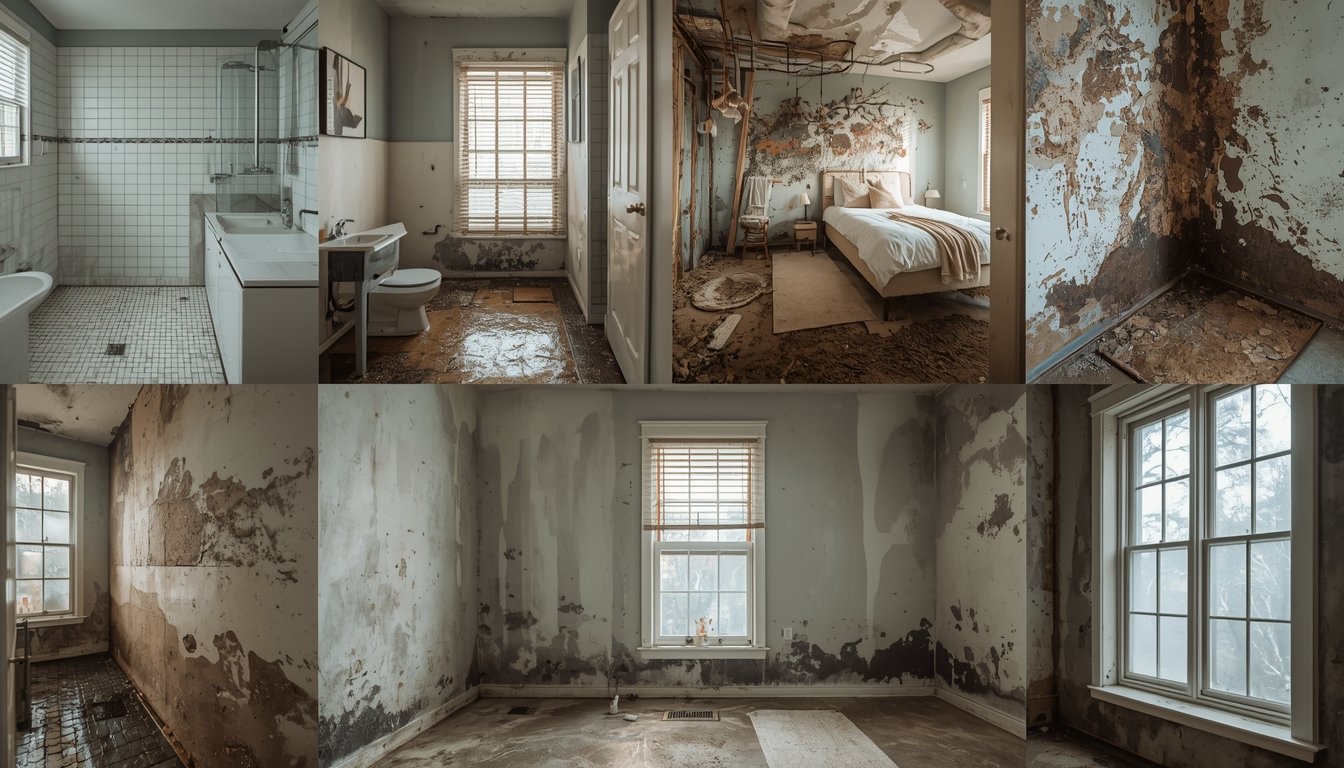
Yes, mold can make you sick, especially if you’re exposed over time or are sensitive to it. It can affect indoor air quality and trigger symptoms like coughing, sneezing, congestion, or irritation. While not everyone reacts the same way, persistent mold exposure in a home should always be taken seriously.
How Mold Can Affect Your Health
Mold releases tiny spores into the air, which can be inhaled without you noticing. In enclosed spaces like homes, these spores can build up, particularly if there is ongoing moisture allowing mold to grow continuously.
For many people, exposure leads to mild but noticeable symptoms. These can feel similar to allergies or a lingering cold and may be worse in certain rooms or at specific times of day.
Common symptoms include:
- Runny or blocked nose
- Sneezing or coughing
- Itchy eyes, throat, or skin
- Headaches or fatigue in some cases
These symptoms often improve when you leave the affected environment, which is a key sign that indoor air quality may be the cause.
Some people are more sensitive than others. Children, older adults, and those with asthma or allergies may experience stronger reactions. In these cases, even small amounts of mold can have a noticeable impact.
It’s also important to understand that mold doesn’t need to be visible to affect you. In many homes, mold can develop in hidden areas, which is why it’s helpful to know can mold grow without visible signs when symptoms appear without an obvious source.
When Mold Becomes a Bigger Concern
Not all mold exposure leads to serious health issues, but there are situations where it becomes more concerning. The level of risk usually depends on how much mold is present, how long you’re exposed, and how sensitive you are to it.
You should pay closer attention if symptoms are ongoing or getting worse over time. This may suggest that mold is continuing to grow or that exposure is increasing.
Warning signs that the issue may be more significant include:
- Symptoms that persist even after cleaning visible mold
- Strong musty odors throughout the home
- Mold appearing in multiple rooms or spreading
- Breathing discomfort or worsening asthma symptoms
In these cases, the problem is often linked to an underlying moisture issue that hasn’t been resolved. Simply cleaning the surface won’t stop mold from returning if the conditions remain the same.
It’s also worth considering whether the mold may be hidden. If symptoms don’t match what you can see, the source could be behind walls, under flooring, or inside ventilation systems.
What to Do If You Think Mold Is Affecting You
If you suspect mold is affecting your health, the first step is to reduce exposure and identify the source. Even small changes can help improve air quality while you investigate further.
Start by increasing ventilation. Open windows, use fans, and allow fresh air to circulate through the home. This can help reduce the concentration of airborne spores.
Next, check for visible signs of mold or moisture:
- Damp areas on walls, ceilings, or floors
- Condensation that appears regularly
- Musty smells that don’t go away
If you find mold, clean small areas carefully and monitor whether it returns. If it does, or if symptoms persist, there may be a deeper issue that needs attention.
Using a mold test kit can help confirm whether mold spores are present in the air, especially if the source isn’t visible. This can give you a clearer idea of whether mold is likely contributing to the problem.
Most importantly, address the underlying moisture. Mold cannot grow without it, so fixing leaks, reducing humidity, and improving airflow are key steps in protecting both your home and your health.