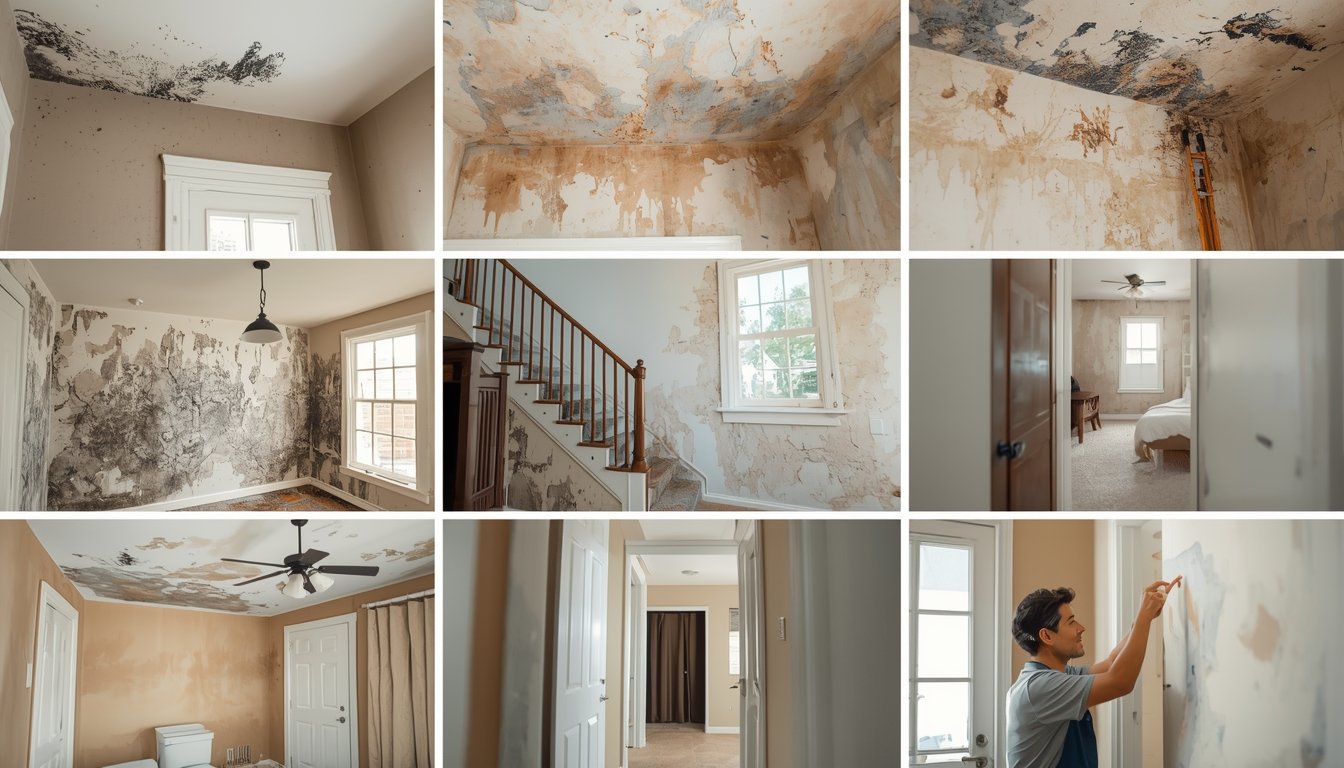
Yes, mold can grow without visible signs. In many homes, mold develops behind walls, under flooring, inside ceilings, or in hidden cavities where moisture is present but the surface still looks clean. If you notice musty smells, humidity issues, or unexplained symptoms, mold may be present even if you can’t see it.
Where Mold Can Hide Without Being Visible
Mold doesn’t need to grow in open view to spread. In fact, some of the most common mold problems happen in places you rarely inspect. These hidden areas often trap moisture and allow mold to develop quietly over time.
One of the most common locations is inside walls. Leaks from plumbing, roofs, or external walls can soak into drywall and insulation without leaving obvious surface stains. By the time visible damage appears, mold may already be well established behind the surface.
Other hidden areas include:
- Under flooring – especially after spills or minor leaks
- Behind cabinets or furniture – where airflow is restricted
- Inside ceilings – from roof leaks or condensation buildup
- HVAC systems and ductwork – where moisture and dust combine
In these spaces, mold can grow undetected because there is little light and limited disturbance. The surface you see may look normal, while mold is spreading just behind it.
If your home has had any past water issues, even small ones, it increases the chances of hidden mold. Understanding what causes mold growth in homes can help you identify whether the conditions for hidden growth are present.
Signs Mold May Be Present Without Visible Growth
Even when you can’t see mold, there are often indirect signs that point to a problem. These clues are important because they help you act before the issue becomes visible and harder to manage.
One of the strongest indicators is smell. A persistent musty or damp odor—especially in certain rooms or areas—often suggests mold is present somewhere out of sight.
You may also notice changes in the environment:
- Rooms feel damp or humid even when ventilated
- Condensation appears regularly on windows or walls
- Paint or wallpaper begins to peel or bubble
- Surfaces feel slightly soft or warped
In some cases, people in the home may experience mild symptoms such as coughing, sneezing, or irritation that seems worse indoors. While these symptoms can have multiple causes, they can also be linked to mold exposure in hidden areas.
Another sign is recurring mold in the same spot after cleaning. If you clean a visible patch and it keeps coming back, there may be a larger hidden source feeding it from behind the surface.
These signs don’t confirm mold on their own, but when several appear together, the likelihood increases significantly.
How to Confirm and Deal With Hidden Mold
If you suspect mold is present but can’t see it, the goal is to confirm the problem and identify the source without unnecessary damage to your home.
Start by narrowing down the area. Focus on where the smell is strongest or where moisture issues are most likely. Check nearby surfaces carefully, including edges, corners, and areas behind furniture.
Improving airflow and reducing humidity can help slow mold growth while you investigate. Use fans, open windows, and address any obvious moisture sources like leaks or condensation.
If the source still isn’t clear, a mold test kit can be useful. It allows you to check for mold spores in the air or on surfaces, helping confirm whether mold is present even if it’s hidden. This can guide your next steps without needing to open walls immediately.
Take action quickly if:
- The musty smell is getting stronger over time
- Multiple rooms show signs of moisture
- Mold keeps returning after cleaning
- There has been recent water damage or leaks
Hidden mold won’t resolve on its own. Even if it’s out of sight, it will continue to grow as long as moisture is present. Identifying and fixing the moisture source is the most important step in stopping the problem at its root.