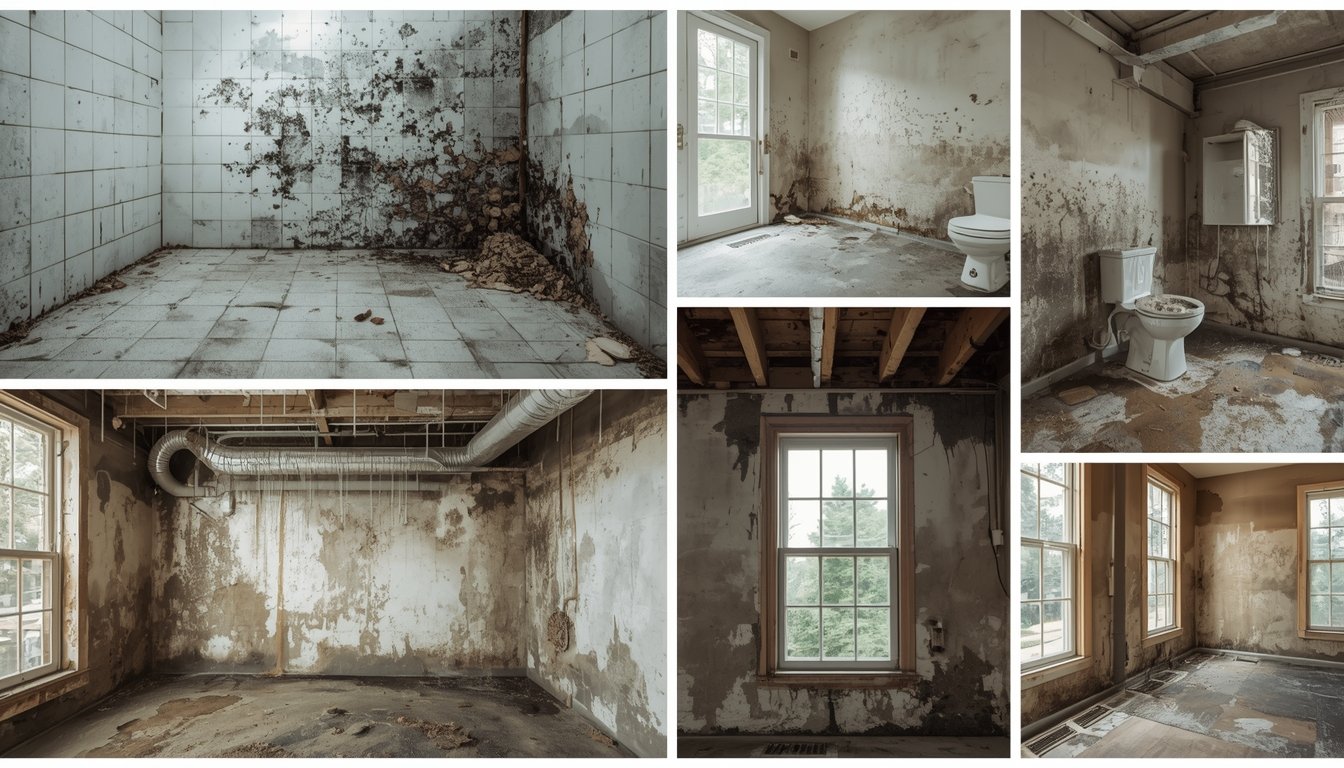
Mold in a bathroom usually means moisture is building up faster than it can dry, creating the ideal environment for growth. Bathrooms naturally produce steam, and without proper ventilation or airflow, that moisture settles on surfaces and allows mold to develop. If you’re seeing mold, it’s a sign that humidity, condensation, or a small leak needs attention.
What Mold in a Bathroom Typically Means
Bathrooms are one of the most common places for mold because they combine heat, moisture, and limited airflow. Every time you shower or run hot water, steam fills the room and settles on walls, ceilings, tiles, and fixtures. If that moisture doesn’t clear quickly, it creates a damp environment where mold can grow.
In many cases, bathroom mold is linked to everyday conditions rather than major damage. Poor ventilation is often the main issue. If there’s no exhaust fan, or it isn’t used consistently, moisture lingers in the air and collects on surfaces.
You’ll often see mold in specific areas:
- Grout lines – where water sits after showers
- Ceiling corners – where steam rises and condenses
- Around windows – due to temperature differences
- Behind or under sinks – where small leaks can go unnoticed
The pattern of the mold can tell you a lot. Light spotting across large areas usually points to humidity and condensation, while concentrated patches may suggest a leak or ongoing moisture problem.
Even if it looks minor, mold is a signal that moisture isn’t being controlled effectively. Left unchecked, it can spread and become harder to manage over time.
What to Check to Find the Cause
To stop bathroom mold from returning, you need to identify where the moisture is coming from and why it isn’t drying properly. Start by looking at how the room handles steam after use.
Check ventilation first. If you have an exhaust fan, make sure it’s working properly and venting air outside. If the mirror stays foggy long after a shower, it’s a sign that moisture isn’t being removed effectively.
Next, inspect for signs of excess moisture:
- Condensation on walls, ceilings, or windows
- Damp grout or surfaces that stay wet for long periods
- Peeling paint or soft spots in walls or ceilings
- A persistent musty smell
It’s also important to check for hidden leaks. Look under sinks, around pipes, and behind fixtures. Even a slow drip can create enough moisture for mold to develop over time.
Pay attention to airflow as well. Bathrooms with closed doors, no windows, or tight spaces tend to trap moisture. If air can’t circulate, surfaces stay damp longer.
If you’re unsure whether the issue is mainly humidity or something more specific, understanding how humidity leads to mold problems indoors can help you narrow down the root cause.
How to Fix It and Prevent Mold Coming Back
Once you’ve identified the cause, the goal is to reduce moisture and improve how quickly the bathroom dries after use. This is what prevents mold from returning.
Start with ventilation. Always use the exhaust fan during and after showers, ideally leaving it running for at least 15–20 minutes. If there’s no fan, opening a window or door can help release trapped steam.
Then focus on reducing moisture buildup:
- Wipe down tiles, glass, and surfaces after use
- Keep the bathroom door slightly open to improve airflow
- Use a dehumidifier if the space stays humid
- Avoid leaving wet towels or mats in the room
If leaks are present, fix them as soon as possible. Even small leaks can maintain the damp conditions mold needs to grow.
Cleaning visible mold is important, but it won’t solve the problem on its own. If the conditions remain the same, it will come back.
If mold keeps returning or you want to confirm whether it has spread beyond visible areas, using a mold test kit can help identify whether spores are still present in the air or on surfaces.
Bathroom mold is common, but it’s always a sign of excess moisture. Once you control the moisture and improve airflow, you remove the conditions that allow it to grow.